Bolt And IOM Lead New Initiative To Support Foreign Workers In Malta

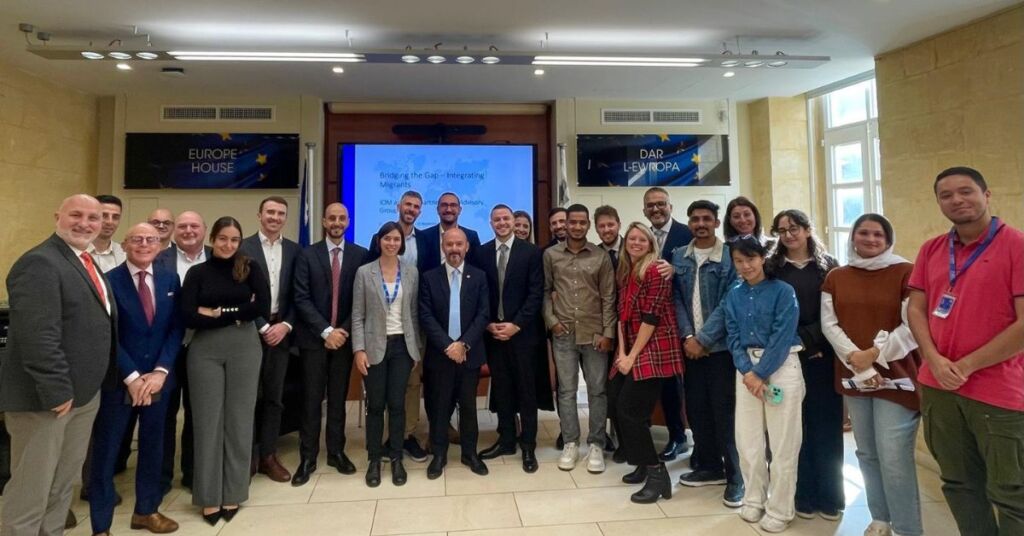
A number of major stakeholders have come together in Malta to help strengthen protections and working standards for foreign workers employed in delivery and ride hailing platforms.
Bolt and the International Organisation for Migration (IOM) hosted the first meeting of their new independent Advisory Group last week, bringing together government officials, trade unions, private operators and civil society organisations. The initiative forms part of their joint project “Bridging the Gap – Integrating Migrants”, which aims to improve labour migration governance and promote fair work for third country nationals.
Held at Europe House, the meeting focused on identifying gaps in the industry and gathering feedback for new training programmes for drivers and couriers, which will launch in 2026. Two further meetings are planned in the coming months.
Bolt’s Director of Policy for Southern Europe, Andrea Vota, said the Advisory Group is a key platform for collaboration across sectors. He noted that the feedback gathered during the meeting will directly inform the company’s upcoming Code of Conduct and future training initiatives.
IOM’s Mediterranean Director, Salvatore Sortino, said the initiative shows how the private sector can work together with international organisations, government bodies and NGOs to ensure safer and fairer opportunities for migrants in Malta.
Drivers and couriers also took part, including ride hailing driver Ghouse Khan, who said he values the freedom his work provides but welcomed efforts to support foreign workers who often face challenges settling in Malta.
Government representatives contributed to the discussion, with Ambassador for Migration Malcolm Cutajar presenting Malta’s Labour Migration Policy, and David Debattista from the Human Rights Directorate outlining the upcoming Integration Strategy and Action Plan 2025 to 2030. The EU Commission also joined the meeting remotely.
Stakeholders present included Identità, the Department of Industrial and Employment Relations, Transport Malta, the Malta Cooperative Federation, the Chamber of SMEs, the General Workers Union, fleet owners, couriers and civil society groups.
The Advisory Group’s work is expected to lead to several concrete outputs, including an updated IOM private sector self assessment checklist, guidance on the implementation of Bolt’s Code of Conduct, and key inputs for the new training programmes being designed for 2026.